The Benefits of Demolition for Home Renovation Projects

Steve Halverson • March 15, 2023

Taking on a home renovation project can be an exciting and rewarding experience, but it is not without its challenges. From proper planning and budget management to ensuring a timely completion of the job, there are many factors to consider prior to starting your renovations. One critical aspect that should not be overlooked is demolition: the removal or deconstruction of part or all of the existing structure before beginning renovations. Not only does demolition help create a more efficient process for completing your desired improvements, it can also provide several long-term benefits for homeowners as well. 


In this blog post, we’ll discuss why investing in complete building or room demolitions can be advantageous when undertaking major projects such as remodeling your kitchen or expanding your home's square footage. Read on to learn how you can benefit from professional cleanout services that ensure careful removal while saving time and money!
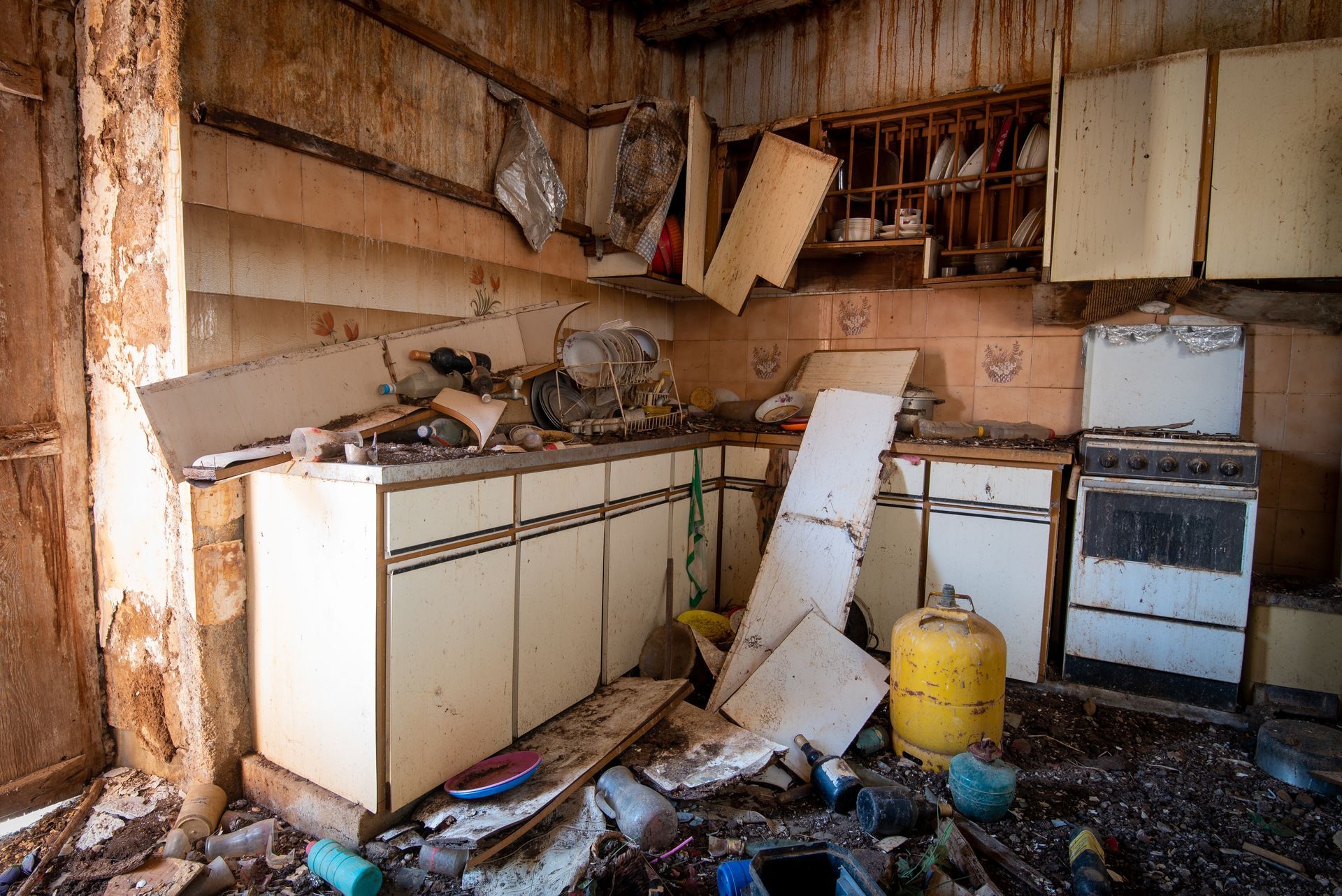
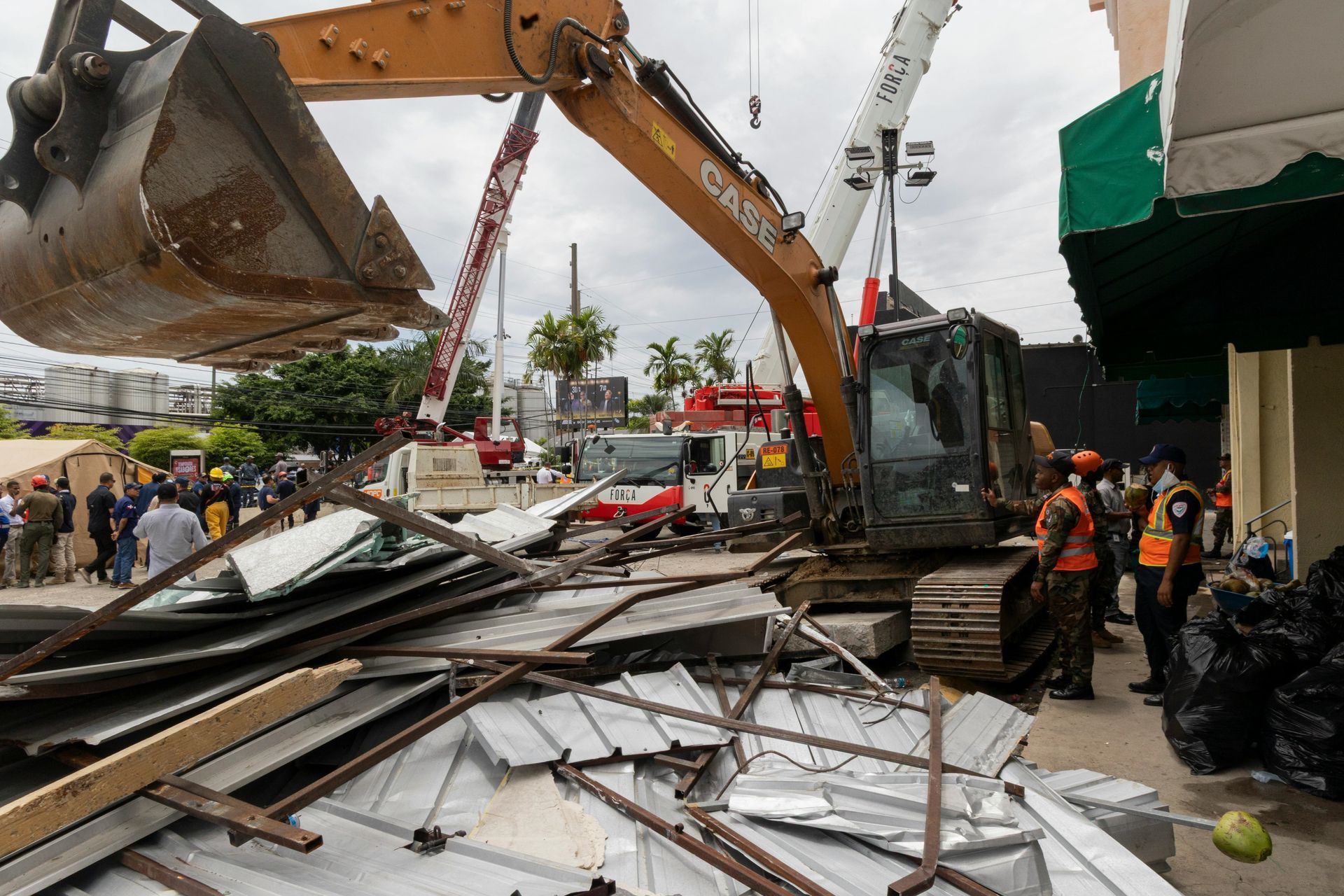
house demolition

6 Top Benefits of Demolition for Home Renovation Projects


Demolition is often an attractive option for home renovation projects because it can give you a blank canvas. There are several reasons why you should consider demolition on your next home renovation projects.. Below are the six top benefits of demolition for home renovation projects:


1. Saves You Money


When it comes to home renovation projects, demolition is a key stage of the process. Many people view demolition as an expensive part of home renovations, but the costs eliminated can outweigh those incurred. Removing walls or old appliances to make way for new changes can save money down the track, as you don’t have to purchase replacements that may not be suitable for your home. Demolition also gives you insight into what needs to be replaced and repaired in your home, giving you more clarity and control over potential costs as well. All in all, demolition can actually decrease how much money you spend on home renovation projects if used correctly.


2. Saves You Time


Demolition is often an overlooked yet essential step when doing home renovations. While it may be tempting to just leave the existing structure in place and work around it, demolition brings a multitude of benefits, one of which is time savings. When you demolish the old structure and start from the ground up, you reduce potential headaches from having to rework a more complex rearrangement. This prevents costly delays which can prolong home renovation projects and put further strain on your budget. In addition, new construction methods can be used more effectively when working with a clean slate as you don't have to worry about fitting new items into pre-existing pockets or corners of the home that don't provide enough space for effective installation. So next time you're considering a home renovation project, bear in mind that demolition can not only save time but also help ensure that your project runs smoothly and successfully!


3. Saves You Energy


Home renovation projects often present the perfect time for homeowners to make energy efficient upgrades. Certainly, updating to energy efficient solutions is a great way to reduce home energy costs, but an often overlooked strategy is demolition. When carrying out a home renovation project and demolishing certain structures or components, home owners can efficiently and safely remove all potential air leakage paths that result in excess home energy being wasted. Doing this not only provides homeowners with additional peace of mind that their home is protected from drafts, but also goes a long way in significantly reducing monthly home energy bills. Ultimately, incorporating demolition into home renovation plans is an easy yet effective way for home owners to realize tremendous savings on their energy bills for years to come.


4. Saves You Money in the Long Run


Home renovation can be an expensive undertaking, and it pays to look for ways to save. Demolition is often one of the earliest steps in a home renovation project, but it can also deliver long-term cost savings. If you take shortcuts or neglect to tear down certain walls or make structural changes, then you can find yourself paying extra money down the line due to not properly preparing your home for renovations. By completing a full home demolition, you are setting yourself up for success when implementing home upgrades, as well as saving precious funds for other future projects. 


Also, when you hire an experienced demolition contractor, they ensure that hazardous materials are removed safely, eliminating future health and environmental risks as well as associated costs. Investing in professional demolition as part of your home renovation can provide peace of mind and financial security down the line! 


5. Saves You Space


Demolition is a great way to clear out space for a new home. Maybe you have an outdated structure that needs to be demolished in order to make room for a modern addition or perhaps you are trying to get rid of a house with structural issues that could be expensive to fix. Another reason demolition is a good idea is that it allows you to move around in the house more freely without having to worry about rearranging furniture. This is especially helpful if you plan on using your new space to entertain. A professional team can help you move furniture and items in a more organized manner, which will save you time and money in the long run.


Before you hire a demolition contractor, be sure to get written estimates for the scope of your project. The estimates should also include what materials they will use and how much they will charge for them. This will allow you to decide which contractor is best for your project. In addition, if you have questions about the estimate or the work they will perform, you can always ask for references or check online reviews to see what previous clients thought of their service.


6. Save the Environment


Renovating a home can be an incredibly rewarding process; however, it can also come with some complex considerations. One of the benefits of home renovation through demolition is that it can be much more eco-friendly than other alternatives, making it a great choice for those aiming to decrease their environmental impact. When demolishing an old building, existing materials can be repurposed or recycled rather than completely thrown away and replaced with new materials, offering substantial reductions in energy use that would have otherwise been required to produce the new materials. Additionally, demolishing and clearing out an area allows natural light to re enter a home or property and tree roots can also find their way back in, both adding to overall biodiversity and making the home look even more vibrant. 


Recycling and reuse of construction and demolition materials is an important element of reducing environmental impact, says David Hughes, director of the Center for Sustainable Construction at Portland State University in Oregon. These reuse and recovery initiatives conserve raw materials, reduce landfilling impacts, and offset the input of virgin materials into construction and renovation. The best way to get started on the process is to find a reputable demolition company in your area that you can trust. This will ensure you get the results you want for your project while also keeping the environment safe. Overall, home renovation through demolition is a great option for any responsible homeowner looking to reduce their environmental footprint while still achieving taste-specific home transformation goals. 


Conclusion


Demolition is a very popular topic among home renovation contractors. For most people, they have a hard time comprehending the benefits of demolition and the sense of accomplishment that comes with it. The benefits of demolition are many, and include the ability to completely redo your home’s interior and exterior spaces. Typically, the "before" and "after" pictures of a home (usually after it has been demolished) are very different. Demolition also helps maintain a level of quality of construction - as well as a certain amount of wealth - in the construction industry. The best part? Demolition can be done simply, safely and efficiently with quality materials.


On top of all of this, demolition is an easy way to make some extra cash! If you want to know about the benefits of demolition for your home renovation business and why you should consider doing it, then you’ve come to the right place!


First Step Demolition


Renovating your house can be a daunting task, but the benefits of demolishing certain parts of it outweigh the initial difficulty. From better space utilization to creating higher-quality construction and a more aesthetic outcome, demolition can make home renovation projects much more successful. Ultimately, picking the right contractor for the job is key; First Step Demolition is known for their highly trained and reliable professionals who complete assignments on time and under budget. For anyone looking to upgrade or expand their home or business, demolition should be considered as part of their remodeling process. When considering modernizing your property through construction, trust in First Step Demolition to assist you in navigating the process with ease and confidence–their expertise will help you get ahead and stay on track. Demo done correctly can make all the difference for your project's success–so don't wait;
give First Step Demolition a call right away and get started on developing your perfect living or working space.
By Halverson November 28, 2025
The body content of your post goes here. To edit this text, click on it and delete this default text and start typing your own or paste your own from a different source.
By Halverson November 26, 2025
The body content of your post goes here. To edit this text, click on it and delete this default text and start typing your own or paste your own from a different source.
By Halverson November 24, 2025
The body content of your post goes here. To edit this text, click on it and delete this default text and start typing your own or paste your own from a different source.
By Halverson October 29, 2025
The body content of your post goes here. To edit this text, click on it and delete this default text and start typing your own or paste your own from a different source.
By Halverson September 30, 2025
Commercial properties are built to last, but even the strongest structures have a lifespan. After all, nothing on Earth is meant to last forever. Over time, buildings can become outdated, unsafe, or simply unable to meet modern business needs. While renovations and upgrades can extend a property’s life, sometimes demolition and rebuilding is the smarter, more cost-effective option. Hence, in this blog post, we will discuss when is it time to tear down your commercial property. We’ll also include in the discussion when rebuilding is a better option than renovating. Tearing down the property you built from scratch can be depressing. However, you’ll only get more depressed when the problem piles up because the property is not serving well anymore. So, if you’re wondering whether your commercial property is due for a fresh start, here are five signs it may be time to demolish and rebuild: 1. Structural Issues Are Beyond Repair Cracks in the foundation, sagging roofs, or compromised load-bearing walls aren’t just cosmetic, they can indicate serious structural failures. When repairs become too extensive or expensive, rebuilding is often the safest and most practical solution. A fresh build ensures compliance with today’s structural standards and removes the risk of recurring issues. 2. Renovation Costs Exceed Rebuilding Costs If your property requires constant repairs such as electrical rewiring, plumbing upgrades, roof replacements, surely the costs add up quickly. At a certain point, rebuilding from the ground up is more cost-efficient than repeatedly patching an outdated building. Think of it as an investment: instead of pouring money into short-term fixes, you put it toward long-term value. 3. The Layout No Longer Serves Your Business Business needs evolve, but old buildings often don’t keep up. Maybe your warehouse ceilings are too low for modern equipment, or your office space can’t support open layouts and collaborative zones. If the structure prevents you from adapting to current market demands, demolition and rebuilding offers a chance to create a property that works for your operations today and tomorrow. 4 . Compliance and Safety Standards Have Changed Building codes, zoning laws, and safety regulations are constantly updated. Older commercial properties may lack proper fire exits, ADA accessibility, or energy-efficient systems. Instead of retrofitting a noncompliant property, starting fresh ensures your building meets current legal and environmental standards. 5. The Property Hurts Curb Appeal and Value First impressions matter. A dated, deteriorating property can turn away tenants, clients, and investors. If cosmetic upgrades can’t mask underlying problems, demolition and rebuilding may be the best path forward. A modern, well-designed property not only attracts business but also increases resale value and long-term ROI. When Demolition Is the Right Choice For Your Commercial Property Deciding to demolish a commercial property is never easy, but sometimes it’s the most strategic option. Rebuilding allows you to: Design a space tailored to your business needs. Incorporate energy-efficient and sustainable features. Increase safety, functionality, and compliance. Enhance property value and attract more tenants or buyers. Why Rebuilding Is Often Better Than Renovating a Commercial Property When a commercial property starts to show its age, owners are faced with two choices: renovate the existing structure or demolish and rebuild. While renovations can sometimes make sense for minor updates, rebuilding often delivers better long-term value. Here’s why: 1. Cost Efficiency Over Time Renovations may seem less expensive upfront, but they often come with hidden costs. Older buildings typically need constant repairs such as HVAC systems, plumbing, wiring, and roofing. When you add it all up, you’ll definitely get a headache. Rebuilding eliminates those recurring expenses and provides a property designed with modern efficiency, saving money in the long run. 2. Modern Layouts and Functionality Renovations are limited by the existing framework. You can only move so many walls or retrofit so many systems before you run into structural restrictions. Rebuilding gives you a clean slate to design a layout that matches today’s business needs, whether that means open floor plans, larger loading docks, or flexible workspaces. 3. Compliance and Safety Upgrades Building codes, zoning laws, ADA accessibility, and fire safety regulations evolve constantly. Retrofitting an old structure to meet current standards can be complex and costly. Rebuilding ensures your property is fully compliant from the ground up, reducing liability and ensuring the safety of employees, tenants, and customers. 4. Energy Efficiency and Sustainability Older commercial properties weren’t built with energy efficiency in mind. By rebuilding, you can incorporate eco-friendly materials, solar readiness, modern insulation, and high-efficiency systems. This not only reduces utility costs but also boosts your reputation as a sustainable, forward-thinking business. 5. Increased Property Value and Market Appeal A brand-new commercial property has stronger curb appeal, modern amenities, and higher market value. Whether you plan to lease, sell, or occupy the building, a rebuild attracts higher-quality tenants, clients, and buyers. Renovations can improve appearances, but they rarely match the market impact of a completely new build. 6. Future-Proofing Your Investment Business needs evolve rapidly. A rebuilt property allows you to design with flexibility in mind—spaces that can adapt to new tenants, new technologies, and future market demands. Renovations patch the present; rebuilding invests in the future. Conclusion If your commercial property is showing signs of serious structural damage, skyrocketing maintenance costs, outdated layouts, or compliance issues, it may be time to stop patching and start planning a rebuild. Demolition isn’t just about tearing down, it’s also about creating space for new opportunities and future growth. A trusted demolition contractor can guide you through the process, helping you determine whether rebuilding is the right choice and ensuring the project is done safely, efficiently, and within budget. First Step Demolition Is your commercial property showing signs it’s time for a rebuild? At First Step Demolition, we specialize in safe, efficient, and compliant demolition services across Arizona. Whether you’re dealing with structural issues, outdated layouts, or rising maintenance costs, our experienced team can help you clear the way for a stronger, more modern future. Call First Step Demolition today to schedule a consultation and take the first step toward rebuilding your property with confidence.
By Halverson September 29, 2025
If you own a commercial property, chances are you have encountered some type of demolition at some point. As we know, commercial demolition is a critical step in transforming outdated, unsafe, or underutilized spaces into fresh opportunities for businesses and communities. Now, whether it’s making way for new construction, renovating an existing property, or repurposing a site entirely—demolition projects vary widely depending on the type of building involved. Hence, in this blog post, we’ll break down three of the most common types of commercial demolition projects. Namely, offices, retail spaces, and warehouses. We’ll also discuss what makes each demolition project unique. 1. Office Demolition The most common type of demolition there is, involves a working space. Now, why does an office need to be demolished you may ask? Office buildings are often demolished or selectively renovated to meet evolving business needs. Outdated layouts, inefficient HVAC systems, or lack of modern amenities can make older office buildings impractical. Sometimes, tenants simply need open floor plans rather than the traditional cubicle-heavy designs of the past. Below are the most common types of office demolition: Types of Office Demolition Projects Selective Interior Demolition: Removing non-load-bearing walls, ceilings, and flooring to create an open, collaborative space. Full Building Demolition: When an entire office structure is outdated or structurally unsafe, complete teardown may be necessary. Asbestos and Hazardous Material Removal: Many older office buildings require specialized remediation before demolition can proceed. Key Considerations To Make: Office demolition must balance speed with minimal disruption. Most especially if parts of the building are still occupied during the process. Noise, dust control, and safety are top priorities. 2. Retail Demolition Another common type of demolition is the one that we often go to for shopping. There are several reasons why a retail store needs to be demolished. Retail environments are constantly changing. Malls are being repurposed, storefronts redesigned, and old big-box stores converted into new business hubs. Demolition is often required to adapt spaces to changing consumer demands or to rebrand and modernize outdated shopping centers. Below are the common types of retail demolition: Types of Retail Demolition Projects Tenant Improvement (TI) Demolition: Removing walls, flooring, and fixtures to prepare a space for new tenants. Facade Demolition: Updating the external appearance of retail centers to attract more customers. Complete Retail Complex Demolition: Taking down entire malls or shopping strips to redevelop properties for mixed-use or residential projects. Key Considerations To Make: To avoid huge money loss, this type of demolition should be done as fast as possible. Retail demolitions must be completed quickly to minimize downtime for businesses and revenue loss for property owners. Accessibility for foot traffic and parking lot safety during demolition are also crucial factors. 3. Warehouse Demolition The last type of commercial demolition on the list is the one that serves as storage space. Warehouses often need to be demolished for a number of reasons. This type of building plays a vital role in logistics, manufacturing, and storage. However, older facilities often lack the ceiling heights, dock configurations, or energy efficiency required by today’s supply chains. When upgrades aren’t practical, demolition becomes the sole solution. Below are the types of warehouse demolition: Types of Warehouse Demolition Projects Interior Strip-Outs: Removing old shelving, refrigeration units, and equipment to modernize the facility. Partial Demolition: Updating only sections of a warehouse, such as expanding loading docks or altering floor layouts. Full Warehouse Demolition: Clearing outdated or unsafe structures to make way for larger, more efficient facilities. Key Considerations To Make: Warehouse demolition projects must account for heavy structural components like steel beams and reinforced concrete. Safety protocols are critical, especially when working around large machinery or hazardous materials. The Role of Professional Demolition Contractors These types of demolition projects require certain expertise. That is why it’s highly advisable to hire reputable contractors to do this kind of job. Whether it’s offices, retail spaces, or warehouses, each commercial demolition project comes with unique challenges. Hiring an experienced demolition contractor ensures: Regulatory Compliance: Navigating permits, zoning, and environmental laws. Safety: Protecting workers and surrounding communities. Efficiency: Completing projects on time and within budget. Waste Management: Recycling materials like metal, concrete, and wood responsibly. These are just a few of the reasons why it’s important to hire contractors when doing a commercial demolition. Doing this huge undertaking and considering DIY ways can be disastrous at some point. To avoid disasters, it’s best to leave it to the professionals. Conclusion Like we always say, commercial demolition is more than just tearing down walls. It’s about clearing the way for growth, innovation, and revitalization. From office renovations to retail redevelopments and warehouse rebuilds, understanding the unique aspects of each type of demolition helps property owners plan smarter projects. Now, whether your project involves a complete teardown or a selective interior strip-out, working with professional demolition experts ensures the job is done safely, efficiently, and with the future in mind. Were we able to cover everything about this topic? Or did we miss some points? Maybe you can share your thoughts down below. We would love to hear from you! First Step Demolition Do you currently plan a commercial demolition project in Arizona? Does your office or business space of some kind need to be torn down? Whether you’re clearing out an old office, remodeling a retail space, or tearing down an outdated warehouse, First Step Demolition is at your service. At First Step Demolition, we have the expertise, equipment, and the team to get it done safely and efficiently. We know how tiresome it can be to plan a demolition project. We handle everything. From permits and dust control to selective interior strip-outs and full-scale demolitions, we have it covered. We do all those things so you can focus on what comes next. Call First Step Demolition today to schedule a consultation and take the first step toward transforming your property with confidence. Take the first wise step and let First Step Demolition handle all your commercial demolition works.
By Halverson August 31, 2025
The body content of your post goes here. To edit this text, click on it and delete this default text and start typing your own or paste your own from a different source.
By Halverson August 28, 2025
When it comes to residential demolition, the contractor you choose makes all the difference. Whether you’re tearing down an old home, removing a garage, or clearing space for a new build, hiring the right demolition team ensures the job is done safely, efficiently, and legally. While big-name national companies may look appealing, there are strong reasons to hire a local demolition contractor in Arizona and those reasons can save you time, money, and stress. That is why for this blog post, we’ll discuss why hiring local contractors in Arizona is your best choice when you’re on a demolition project. Looking for a reputable demolition contractor in Arizona can be perplexing as there are quite a lot out there. You might consider hiring those big-name contractors that are all over the country. While they are good options, hiring a local contractor can be a lot better for a lot of reasons. Below are the seven reasons why you should hire a local contractor in Arizona for your demolition projects. 7 Reasons Why Hiring Local Demolition Contractor in Arizona is Your Best Option Hiring a well-known demolition contractor can be tempting, however in some cases they just cost an arm and a leg. Before you give those prominent contractors in the country, why not give the local contractors a go? Here are some reasons you should look into as to why you should hire a local contractor: 1. Local Knowledge of Arizona Regulations and Permits First things first, they have better knowledge about local regulations and permits. You see, every demolition project requires permits, inspections, and compliance with state and municipal regulations. Arizona cities like Phoenix, Mesa, and Tucson each have unique permit requirements and zoning laws. A local contractor knows the ins and outs of these processes. This means that you won’t face costly delays from paperwork errors or failed inspections. On top of that, local contractors often have direct relationships with city offices, inspectors, and permit departments. This makes it faster and easier to move your project forward without the red tape that can stall out-of-state companies unfamiliar with Arizona’s requirements. 2. Familiarity with Arizona’s Climate and Soil Conditions Arizona’s desert climate poses unique challenges. From extremely dry soil in Phoenix to rocky terrain in Northern Arizona, local demolition contractors understand how to handle site conditions that outsiders may overlook. For example: Dust control is a big deal in Arizona. Cities enforce strict regulations to reduce airborne dust during demolition. Local contractors are experienced with dust suppression techniques and equipment, ensuring compliance. Soil stability and grading must be handled properly for future construction. A contractor familiar with Arizona ground conditions ensures the site is ready for your next project. 3. Supporting Local Business and Community When you hire a local demolition contractor, you’re reinvesting in your own community. Your dollars support Arizona workers, small businesses, and local suppliers. In return, local contractors tend to prioritize customer service, because their reputation depends on it. Instead of being just another project number for a nationwide chain, you’ll work with a team that values word-of-mouth referrals, online reviews, and long-term relationships with Arizona homeowners and developers. 4. Faster Response Times and Flexibility Local contractors are simply closer. That means quicker site visits, faster turnaround on estimates, and better flexibility when unexpected changes occur. If your demolition needs an adjustment, whether it’s removing extra concrete, handling hazardous material, or dealing with last-minute zoning changes—a local crew can adapt more quickly than an out-of-state provider. 5. Cost Savings Through Local Connections Many Arizona demolition contractors have established relationships with local landfills, recycling centers, and salvage companies. These connections often result in lower disposal costs, and sometimes even cash back for salvaged materials like steel, copper, or reclaimed wood. This can help bring down your overall project costs while also reducing environmental impact. 6. Specialized Experience with Arizona Homes From adobe-style houses in Tucson to older ranch properties in rural counties, Arizona homes often come with unique construction materials. Local demolition experts have experience with these structures and know how to approach them safely. They also understand seasonal factors, like scheduling around monsoon season to avoid water damage and safety hazards. These are factors that non-local contractors might not account for. 7. Peace of Mind Through Local Reputation One of the biggest advantages of hiring locally is accountability. Arizona demolition contractors live and work in the same communities as their clients. You can easily check their references, see their completed projects, and read reviews from other Arizona homeowners. A contractor with a strong local reputation has more incentive to deliver quality work, because their future business depends on community trust. Conclusion Like we always mention here, demolition isn’t just about tearing things down. It’s about preparing the way for what comes next. By hiring a local demolition contractor in Arizona, you gain the benefits of regulatory expertise, local soil and climate knowledge, cost savings, community accountability, and peace of mind. When planning your project, don’t underestimate the value of working with a team that understands the unique challenges, and opportunities of Arizona demolition. First Step Demolition In the works of clearing the way for your next big project? Thinking about tearing down a structure in Arizona? Why not work with a trusted Arizona demolition contractor who knows the local landscape inside and out. With decades of local demolition complete projects, your demolition project in Arizona is surely in safe hands with us. At First Step Demolition, we bring years of experience handling residential, commercial, and even emergency demolition projects across Arizona. From permits and safety compliance to clean, efficient tear-downs, we make the first step of your project the easiest one. Don’t trust your project to just anyone. Hire a local team that knows the land, the laws, and the community. Call First Step Demolition today for a free estimate and let us show you why hiring locals is the smartest move for your next demolition project. Start strong. Start local. Start with First Step Demolition.
By steve July 31, 2025
The body content of your post goes here. To edit this text, click on it and delete this default text and start typing your own or paste your own from a different source.
By steve July 31, 2025
Whether you are planning to tear down a home, garage, or other residential structure, having a concrete residential demolition plan is a must. However, before you schedule the bulldozer or swing the first hammer, you’ll need to take a close look at something less exciting. That is adhering to zoning laws. It might be boring, but it is incredibly important. Zoning might not be top of mind when you’re thinking about demolition. The thing is, overlooking it can result in costly delays, legal headaches, and even fines. In this blog post, we’ll break down what zoning laws are, how they impact your demolition plans, and what you need to do to stay compliant. If you are not in the construction or demolition industry, you may not be well-versed in zoning laws. However, in order for you to avoid bigger problems during and after construction, you have to know about zoning laws. It is essential that you include this information in your residential demolition plan. So, what are zoning laws, really? What Are Zoning Laws? Zoning laws are local regulations that govern how land and property can be used in specific geographic areas. They determine: What types of structures can be built or removed How land can be used (residential, commercial, industrial, etc.) Setbacks, lot coverage, and building heights Preservation of historic buildings or environmentally sensitive areas These laws are established by your city or county’s zoning or planning department and are enforced through permits and inspections. Simply put, without adhering to this law, it’s impossible for you to build your property. How Zoning Laws Affect Residential Demolition There are several ways on how these laws affect your residential demolition project. Below are the five ways zoning laws affect residential demolition. 1. Permit Requirements Most demolition projects require permits and zoning laws dictate whether your request gets approved. If the structure you're tearing down sits in a zoning district that has restrictions (like historic preservation or environmental protection), your demolition plans may be delayed or denied altogether. 2. Property Use Regulations You can’t just demolish a structure and do whatever you want with the land afterward. Zoning laws control what comes next. If you plan to rebuild, convert to a rental property, or even expand your backyard, zoning codes will dictate what's allowed. For example: Want to replace a single-family home with a duplex? Zoning must allow multi-family dwellings. Planning to leave the lot empty? Some zones require active use of the land. 3. Historic District Restrictions If your property is in a designated historic zone, demolition might be prohibited or subject to a rigorous approval process. You may need to show that the structure is beyond repair or that preserving it would pose undue hardship. 4. Setbacks and Lot Coverage Zoning codes often regulate how much of the land can be covered by buildings (lot coverage) and how far structures must be from property lines (setbacks). If your demolition plan includes rebuilding, you'll need to confirm your new design complies with these requirements. 5. Environmental and Safety Considerations If your property is near wetlands, flood zones, or other environmentally sensitive areas, additional zoning overlays might apply. You may need environmental assessments or special permits, which can delay your project. Common Zoning Hurdles During Demolition It is also important to know what possible obstacles might come your way when adhering to these laws. Below are some common zoning hurdles during demolition: Permit Denial: Your application may be rejected if zoning prohibits demolition or if your intended future use violates the district rules. Neighbor Objections: Some zoning boards hold public hearings where neighbors can object to your demolition plans, especially in tightly regulated communities. Demolition Delay Ordinances: Some cities have laws that delay demolition approvals to evaluate preservation options, often up to 6–12 months. How to Navigate Zoning Laws Successfully Including adhering to zoning laws in your residential demolition plan is vital. So, in order for you to successfully navigate zoning laws, here are the steps you need to follow: Step 1: Contact the Local Zoning Department Your local planning or zoning office can confirm your property’s zoning classification and walk you through the specific requirements for demolition. Step 2: Request a Zoning Map and Parcel Info Most cities have zoning maps online. Look up your parcel to understand exactly how your land is classified. Step 3: Apply for a Demolition Permit Include demolition plans, utility disconnection proof, and any required surveys or environmental assessments. Step 4: Understand What’s Next If you're rebuilding, be sure to check what zoning allows on that property. You may need to apply for a variance or special use permit if your project doesn't align with the current zoning code. Step 5: Hire a Demolition Professional Many demolition contractors are familiar with local zoning requirements and can help ensure your project stays compliant and on schedule. Conclusion Zoning laws are a critical part of the residential demolition process. They impact not just whether you can tear down a structure, but what happens afterward. Note that ignoring them can bring your project to a grinding halt. Hence, before you move forward, take the time to consult your local zoning office, get the proper permits, and understand what’s allowed. It’ll save you time, money, and plenty of stress down the road. First Step Demolition Are you planning a residential demolition anytime soon? You must know about zoning first. Zoning laws can make or break your demolition plans and ignoring them can lead to costly delays or fines. At First Step Demolition, we don’t just knock down walls, we also navigate the red tape for you. Our team ensures your project stays compliant, on schedule, and stress-free. We make sure that we do all the legwork; from permit pulls to compliance checks. Let’s handle the permits, paperwork, and precision. Contact First Step Demolition today for expert guidance and a free site assessment! We’ll help you navigate zoning laws without a hassle!