Concrete Breaking vs. Concrete Cutting: What's the Difference?

Steve Halverson • August 31, 2023

In our previous blog post, we discussed the difference between concrete demolition and concrete cutting. In this current blog post, we’ll talk about concrete breaking and concrete cutting. Now when it comes to handling concrete, two of the most commonly used methods are concrete breaking and concrete cutting. While both are vital for various construction and demolition tasks, understanding the fundamental differences between them can guide project managers, contractors, and DIY enthusiasts in choosing the right technique for the job. Let’s dig deep into the distinct characteristics, applications, and advantages and disadvantages of each.

The Difference Between Concrete Breaking and Concrete Cutting

What Is Concrete Breaking?


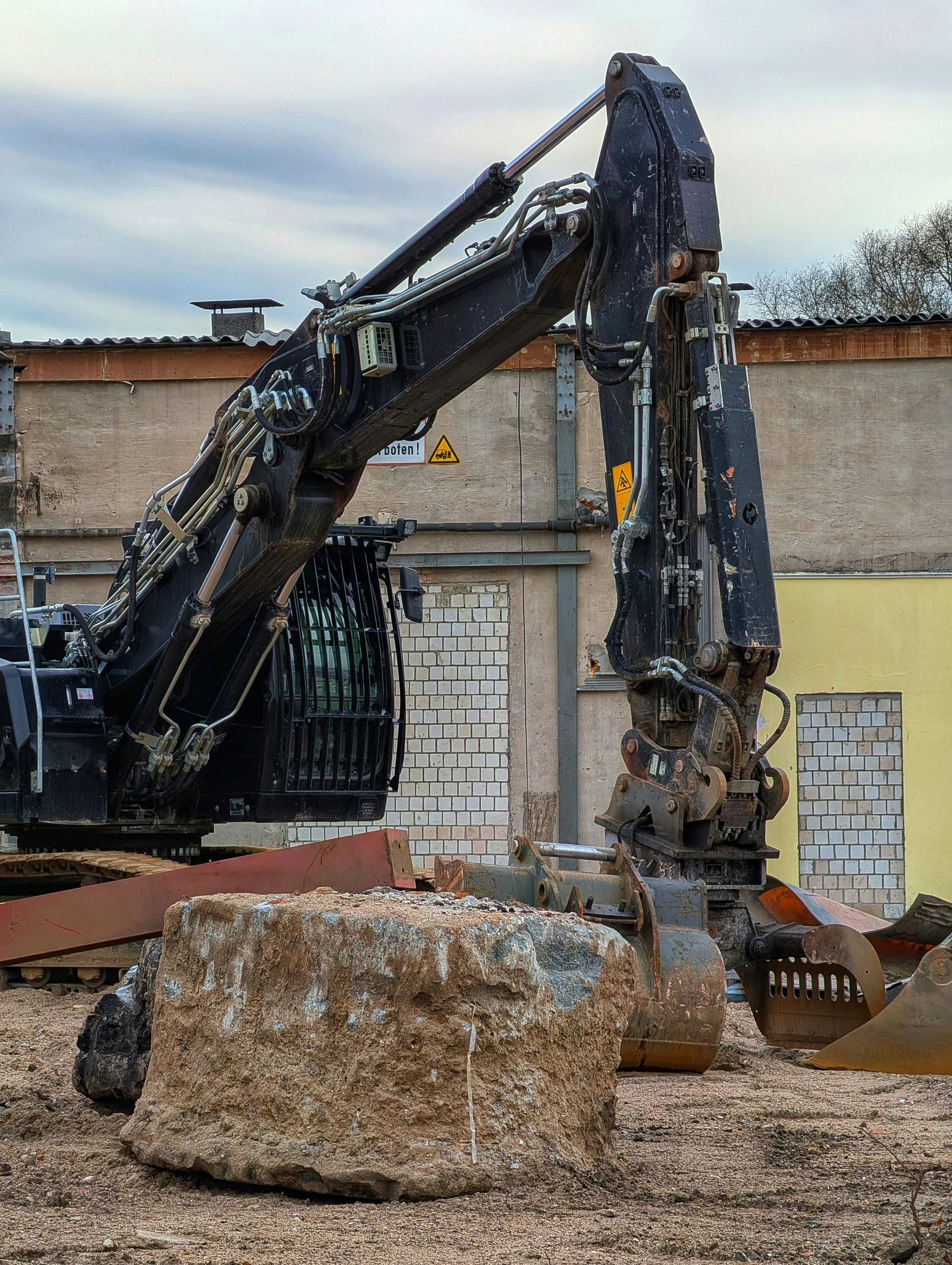
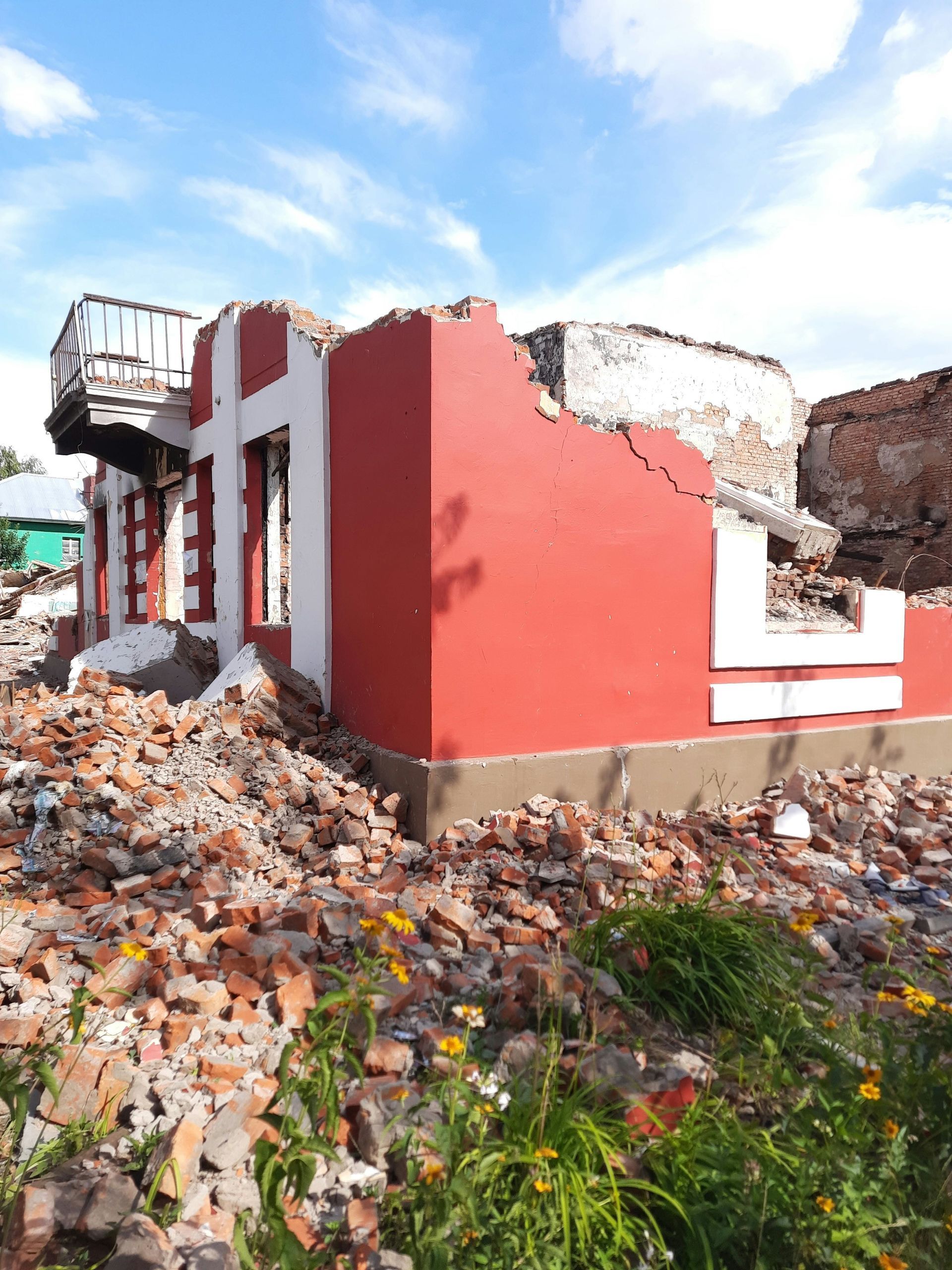
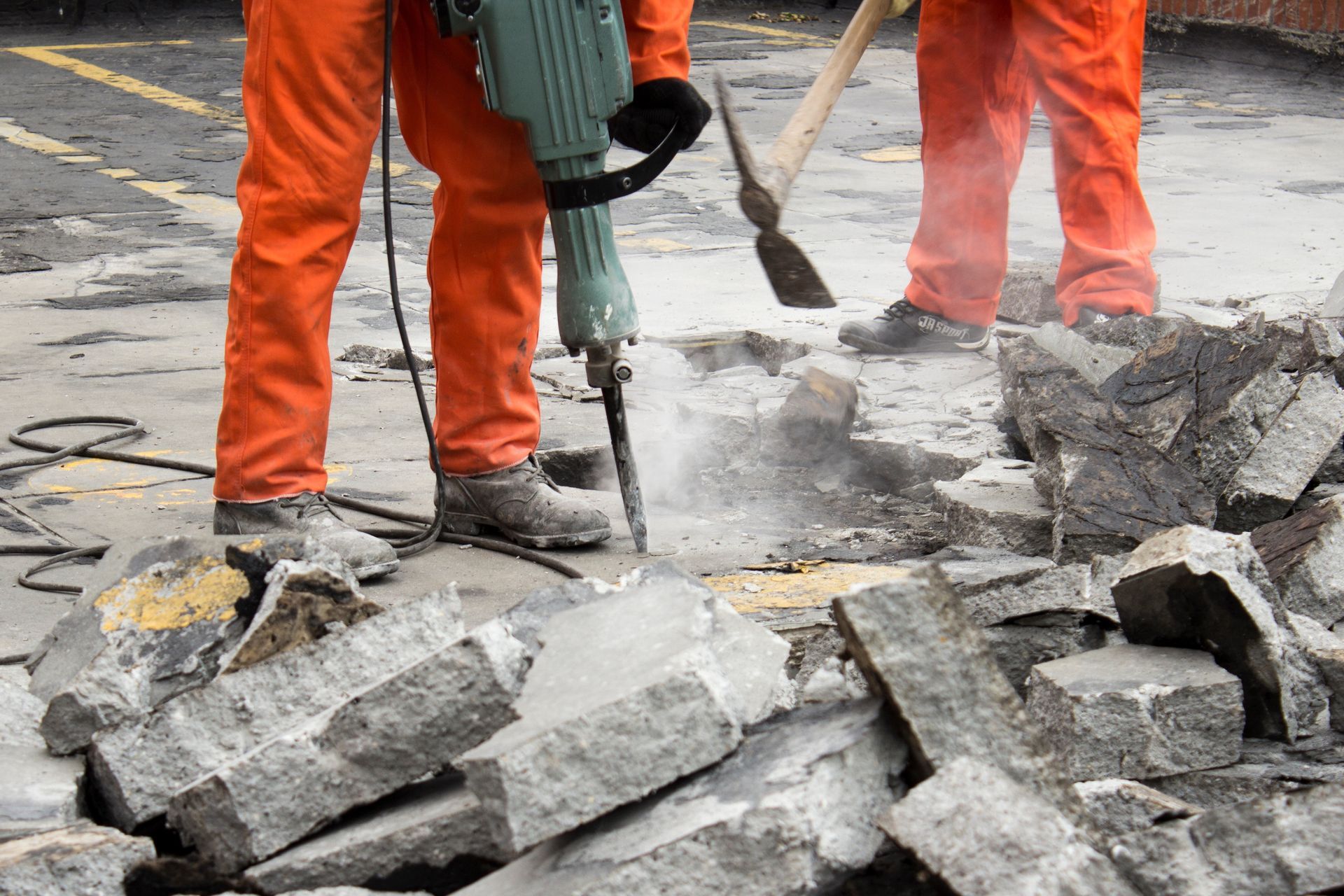
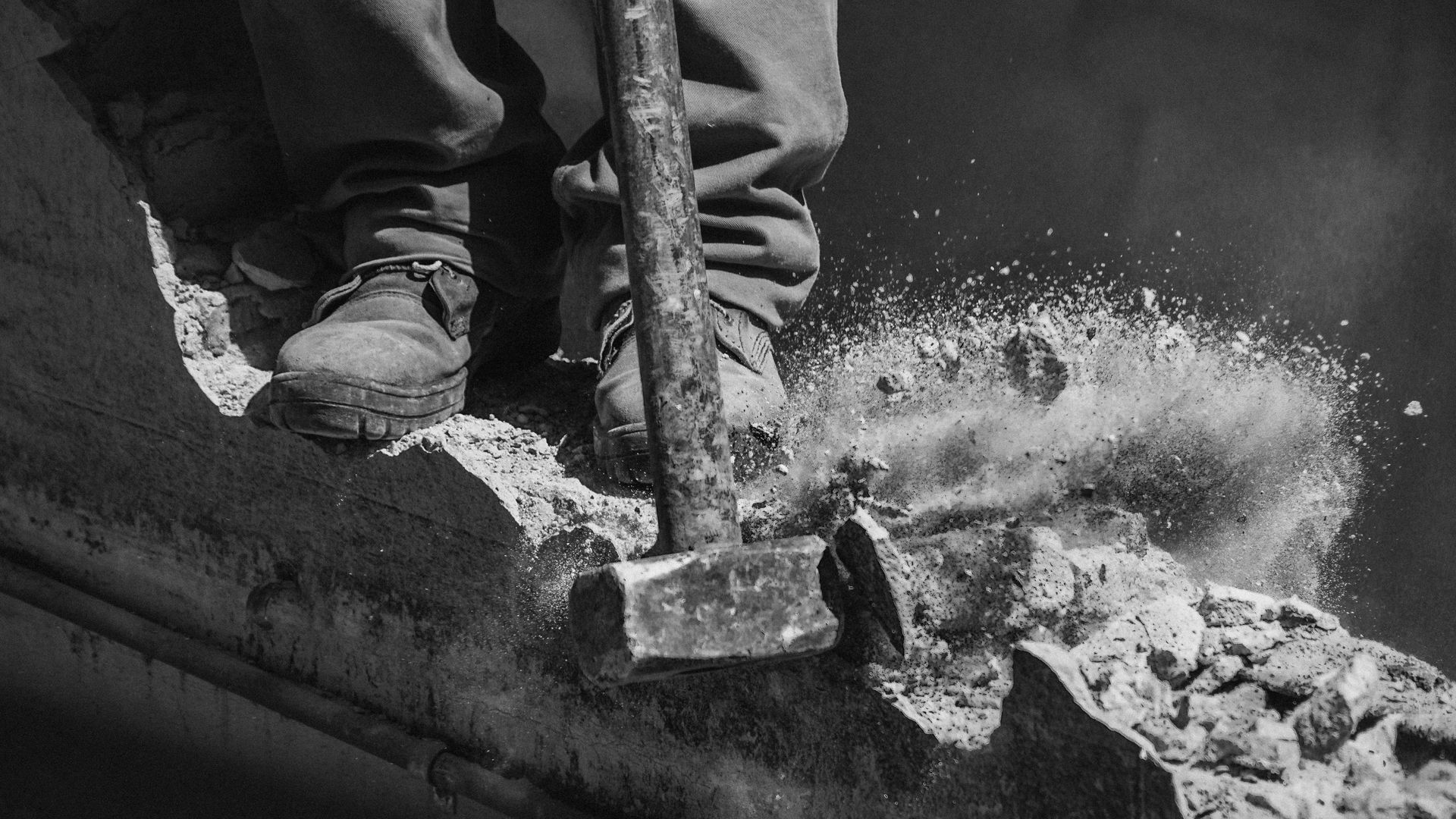
Concrete breaking involves forcefully fragmenting or demolishing concrete structures into smaller, manageable pieces. This method typically uses manual or powered tools to apply direct force onto the concrete.


Common Tools and Equipment Used in Concrete Breaking:

  • Sledgehammers
  • Jackhammers
  • Hydraulic breakers
  • Drop hammers


Applications of Concrete Breaking:

  • Total demolition of concrete structures or slabs.
  • Breaking away old concrete before a renovation.
  • Removing large sections of concrete, such as sidewalks or driveways.


Advantages and Disadvantages of Concrete Breaking:


To make everything fair, we have included not just the advantages but the disadvantages as well of concrete breaking. Below are the pros and cons of concrete breaking:


Advantages of Concrete Breaking:

  • Cost-effective: Breaking concrete, especially using manual tools, is often cheaper than using advanced cutting methods or equipment.
  • Simplicity: Many concrete breaking methods are straightforward and don't require specialized training or intricate machinery.
  • Versatility: Concrete breakers can handle a wide range of thicknesses and types of concrete, from thin slabs to reinforced concrete.
  • Equipment Availability: Hydraulic breakers and jackhammers are readily available for rent in most places, making it easy for contractors to access the required tools.
  • Effective for Thick Concrete: Breaking is sometimes the preferred method for dealing with very thick slabs or structures.
  • No Water Requirement: Unlike wet concrete cutting methods, breaking doesn't typically require water, which means no mess or water containment issues.


Disadvantages of Concrete Breaking:

  • Lack of Precision: Breaking concrete can be much less precise than cutting, potentially leading to additional work or unwanted damage.
  • Increased Noise and Vibration: Tools like jackhammers or hydraulic breakers are loud and produce significant vibrations, which can be disruptive and potentially harm nearby structures.
  • Dust Production: Breaking concrete can produce a lot of dust, which is not only a nuisance but also a health hazard due to the risk of inhaling silica particles.
  • Potential for Flying Debris: The forceful nature of breaking can propel shards or chunks of concrete, posing safety risks.
  • Higher Labor Intensity: Manual concrete breaking methods can be labor-intensive and time-consuming.
  • Potential Structural Damage: The force and vibrations from concrete breaking can sometimes lead to unintended structural damage, especially if not done carefully.
  • Wear and Tear on Tools: The repeated impact on concrete can cause rapid wear and tear on tools, leading to frequent replacements or repairs.


While concrete breaking provides an effective way to demolish or fragment concrete, it's essential to evaluate the specific needs of a project. One must also implement safety measures to mitigate potential hazards associated with the process.


What Is Concrete Cutting?


Concrete cutting, on the other hand, is a precise method of removing or modifying concrete. It employs specialized tools with sharp blades, often embedded with diamonds, to slice through the concrete without causing it to shatter or crumble. This method is also known as saw cutting. 


Common Tools and Equipment Used in Concrete Cutting:

  • Concrete saws
  • Diamond-tipped blades
  • Wire saws
  • Wall saws


Applications of Concrete Cutting:

  • Creating controlled joints or openings in concrete.
  • Making precise holes for doors, windows, or utilities.
  • Adjusting or resizing concrete slabs or walls without total demolition.
  • Preparing concrete for decorative treatments.


Advantages and Disadvantages of Concrete Cutting:

Advantages of Concrete Cutting:

  • Precision: Modern concrete cutting techniques can produce very accurate and straight cuts.
  • Versatility: Various tools and methods can be used for cutting concrete to suit different requirements, such as wall sawing, wire sawing, or core drilling.
  • Reduced Labor: Concrete cutting can be less labor-intensive compared to traditional methods, especially with automated or semi-automated equipment.
  • Minimal Noise and Dust: With wet cutting techniques, dust can be significantly reduced, and some tools produce less noise than others, making it more suitable for urban or populated environments.
  • No Vibration: Unlike some demolition methods, concrete cutting produces no vibrations, thus preventing potential damage to nearby structures or utilities.
  • Safety: When done correctly, concrete cutting can be safer than other demolition methods since there's more control over the process.
  • Efficiency: With the right equipment, large areas of concrete can be cut or removed more quickly than with manual methods.


Disadvantages of Concrete Cutting:

  • Equipment Cost: High-quality concrete cutting equipment can be expensive to purchase or rent.
  • Maintenance: Concrete cutting tools and machines require regular maintenance to function efficiently.
  • Skilled Labor: Proper and safe concrete cutting requires trained operators. The lack of trained professionals can be a constraint.
  • Potential for Overcuts: If not controlled properly, there's a chance of overcutting, which might require repair or extra finishing work.
  • Water Usage: Wet cutting methods, while controlling dust, use water, which can be wasteful and messy. It also requires water containment or clean-up in some scenarios.
  • Wear and Tear: Concrete cutting blades and tools wear down over time and require replacements.
  • Hazardous Dust: Even with water suppression, the silica dust produced from cutting concrete can be hazardous if inhaled, necessitating proper safety measures.


While concrete cutting offers a modern solution to many challenges faced in construction and demolition, it's essential to consider the specific requirements of each job and select the most suitable method accordingly. Proper training and safety precautions are also paramount.


Which Method is Right for Your Project: Concrete Breaking or Concrete Cutting?


Choosing between concrete breaking and cutting largely depends on your project requirements:


Precision:
If you require a neat and precise cut without damaging surrounding structures, opt for concrete cutting over concrete breaking. 


Volume:
For large-scale demolitions where precision isn't paramount, breaking can be more efficient and economical.


Environment:
Concrete cutting is typically quieter and less disruptive, making it a preferred choice in residential or populated areas. If your project is in urban areas, this method is more agreeable. However, if your project is in rural areas, opt for concrete breaking. 


Budget:
While concrete cutting offers precision, it might come with a higher price tag due to specialized equipment and expertise. Breaking, while potentially more labor-intensive, often has lower equipment costs.


Conclusion


Both concrete breaking and concrete cutting play crucial roles in the world of construction and renovation. By understanding the core differences between these methods, you can make informed decisions that align with your project’s objectives, budget, and desired outcome. Always remember to prioritize safety, no matter the method you choose, and consider seeking advice from professionals when in doubt.


First Step Demolition


Concrete breaking and concrete cutting are methods both often used in demolition and construction. However, they can be confusing sometimes, especially if you don’t have prior knowledge about it. If you are unsure which method is appropriate for your next project, it’s best to seek help from professionals. 


Confused between concrete breaking and concrete cutting? Let First Step Demolition guide your next step. Our seasoned experts can evaluate your project needs and provide the best solution tailored just for you. Don't gamble with your project's foundation. Reach out to First Step Demolition today and take the first step towards assured excellence!
Call us today to get a free consultation!
By Halverson December 30, 2025
The body content of your post goes here. To edit this text, click on it and delete this default text and start typing your own or paste your own from a different source.
By Halverson December 29, 2025
When you are planning for a demolition project, hiring a professional team is sometimes advisable. However, hiring a professional demolition team can feel intimidating if you’ve never been through the process before. For many homeowners, demolition is the first major step in a remodel, rebuild, or property upgrade. With that, it involves heavy equipment, permits, safety considerations, and serious logistics. The good news? A reputable demolition contractor doesn’t just tear things down. They manage risk, protect your property, handle compliance, and make the process predictable and controlled. In this blog post, we will discuss the expectations you can set when you are working with a professional demolition contractor. 8 Expectations You Can Set Working With a Professional Demolition Team Setting expectations for certain projects is important. It is most especially true when you are undergoing a demolition project. Here’s exactly what you can expect when working with a professional residential demolition team, from the first phone call to a clean, ready-to-build site. 1. Initial Consultation and Property Assessment The process begins with a site visit or consultation. A professional demolition team will take time to understand your goals, not just the structure itself. During this phase, they’ll typically: Inspect the structure and surrounding area Identify whether the project is full or selective demolition Note nearby utilities, neighbors, and access points Discuss your timeline, budget, and future plans for the property This step is about planning, not rushing. A good contractor looks for potential challenges early so there are no surprises once demolition starts. 2. Permits, Regulations, and Compliance One of the biggest advantages of hiring a professional demolition team is that they handle the paperwork. Residential demolition often requires: Local demolition permits Utility disconnect approvals Environmental or hazardous material clearances Compliance with city noise, dust, and safety regulations Your contractor will know which permits are required and how long they take to secure. They’ll also coordinate inspections and approvals so your project stays on schedule and compliant with local laws. This alone can save homeowners weeks of frustration. 3. Hazardous Material Identification and Removal Before any demolition begins, professionals check for hazardous materials commonly found in older homes, such as: Asbestos Lead-based paint Mold or contaminated materials If these materials are present, they must be removed or remediated according to strict safety guidelines before demolition can proceed. Licensed demolition teams work with certified abatement professionals to ensure the job is done safely and legally. Skipping this step can result in serious health risks and costly fines, which is why professional oversight matters. 4. Utility Disconnects and Site Preparation Demolition doesn’t start with machines, it starts with preparation. Your demolition team will: Coordinate gas, water, electric, and sewer disconnects Secure the site to prevent unauthorized access Set up fencing, signage, and safety barriers Prepare equipment access routes Proper site preparation protects workers, neighbors, and nearby structures. It also ensures the demolition itself goes smoothly and efficiently. 5. The Demolition Process Itself Once everything is approved and prepared, demolition begins. Depending on the project, this may involve: Selective demolition using hand tools for precision areas Heavy equipment for full structure removal Dust suppression systems to control airborne debris Continuous monitoring to protect surrounding properties Professional teams work methodically, not recklessly. The goal is controlled removal, not chaos. Experienced crews know how to bring structures down safely without causing unnecessary damage or disruption. 6. Debris Removal and Material Recycling After demolition, the site doesn’t get left in ruins. A professional demolition team will: Sort debris for recycling and disposal Haul materials to approved facilities Recycle concrete, metal, and reusable materials when possible Remove all debris from the property Responsible disposal is not just environmentally sound, it’s often required by local regulations. When demolition is complete, the site should be clean, level, and ready for the next phase of construction. 7. Final Inspection and Site Readiness Before the project is officially complete, the demolition contractor will: Perform a final site walkthrough Confirm all demolition scope was completed Ensure no hazards or debris remain Prepare the site for rebuilding, excavation, or sale This final step ensures you’re not left with loose ends or unexpected cleanup tasks. The property should be in a condition that allows the next contractor to begin work without delays. 8. Communication and Transparency Throughout the Project One often overlooked benefit of working with a professional demolition team is communication. Reputable contractors: Keep you informed of progress Explain any changes or discoveries immediately Provide clear timelines and updates Answer questions without jargon or pressure Demolition doesn’t have to feel stressful when you know what’s happening at each stage. Why Hiring a Professional Demolition Team Matters Residential demolition is more than tearing things down. It’s about safety, compliance, efficiency, and protecting your investment. When you work with professionals, you gain: Reduced liability and risk Faster, more predictable timelines Proper handling of permits and hazards A clean, build-ready site Most importantly, you gain peace of mind knowing the job was done correctly the first time. Conclusion So, if you’re planning a remodel, rebuild, or property upgrade, demolition sets the tone for everything that follows. Working with a professional demolition team ensures that the first step is handled with care, precision, and experience. The right team doesn’t just remove structures, they create a safe and solid foundation for what comes next. So the next time you are considering doing an upgrade that needs demolition, you can set these expectations with your contractor. First Step Demolition Are you ready to take the first step with confidence? When you work with First Step Demolition, you’re not just hiring a crew to tear things down. You’re partnering with a professional team that handles every detail, from permits and safety planning to clean, build-ready results. If you’re planning a residential demolition project and want clear communication, responsible execution, and no surprises along the way, we’re ready to help. Contact First Step Demolition today to schedule your consultation and see what it’s like to work with a demolition team that puts safety, transparency, and results first.
By Halverson November 28, 2025
The body content of your post goes here. To edit this text, click on it and delete this default text and start typing your own or paste your own from a different source.
By Halverson November 26, 2025
The body content of your post goes here. To edit this text, click on it and delete this default text and start typing your own or paste your own from a different source.
By Halverson November 24, 2025
The body content of your post goes here. To edit this text, click on it and delete this default text and start typing your own or paste your own from a different source.
By Halverson October 29, 2025
The body content of your post goes here. To edit this text, click on it and delete this default text and start typing your own or paste your own from a different source.
By Halverson September 30, 2025
Commercial properties are built to last, but even the strongest structures have a lifespan. After all, nothing on Earth is meant to last forever. Over time, buildings can become outdated, unsafe, or simply unable to meet modern business needs. While renovations and upgrades can extend a property’s life, sometimes demolition and rebuilding is the smarter, more cost-effective option. Hence, in this blog post, we will discuss when is it time to tear down your commercial property. We’ll also include in the discussion when rebuilding is a better option than renovating. Tearing down the property you built from scratch can be depressing. However, you’ll only get more depressed when the problem piles up because the property is not serving well anymore. So, if you’re wondering whether your commercial property is due for a fresh start, here are five signs it may be time to demolish and rebuild: 1. Structural Issues Are Beyond Repair Cracks in the foundation, sagging roofs, or compromised load-bearing walls aren’t just cosmetic, they can indicate serious structural failures. When repairs become too extensive or expensive, rebuilding is often the safest and most practical solution. A fresh build ensures compliance with today’s structural standards and removes the risk of recurring issues. 2. Renovation Costs Exceed Rebuilding Costs If your property requires constant repairs such as electrical rewiring, plumbing upgrades, roof replacements, surely the costs add up quickly. At a certain point, rebuilding from the ground up is more cost-efficient than repeatedly patching an outdated building. Think of it as an investment: instead of pouring money into short-term fixes, you put it toward long-term value. 3. The Layout No Longer Serves Your Business Business needs evolve, but old buildings often don’t keep up. Maybe your warehouse ceilings are too low for modern equipment, or your office space can’t support open layouts and collaborative zones. If the structure prevents you from adapting to current market demands, demolition and rebuilding offers a chance to create a property that works for your operations today and tomorrow. 4 . Compliance and Safety Standards Have Changed Building codes, zoning laws, and safety regulations are constantly updated. Older commercial properties may lack proper fire exits, ADA accessibility, or energy-efficient systems. Instead of retrofitting a noncompliant property, starting fresh ensures your building meets current legal and environmental standards. 5. The Property Hurts Curb Appeal and Value First impressions matter. A dated, deteriorating property can turn away tenants, clients, and investors. If cosmetic upgrades can’t mask underlying problems, demolition and rebuilding may be the best path forward. A modern, well-designed property not only attracts business but also increases resale value and long-term ROI. When Demolition Is the Right Choice For Your Commercial Property Deciding to demolish a commercial property is never easy, but sometimes it’s the most strategic option. Rebuilding allows you to: Design a space tailored to your business needs. Incorporate energy-efficient and sustainable features. Increase safety, functionality, and compliance. Enhance property value and attract more tenants or buyers. Why Rebuilding Is Often Better Than Renovating a Commercial Property When a commercial property starts to show its age, owners are faced with two choices: renovate the existing structure or demolish and rebuild. While renovations can sometimes make sense for minor updates, rebuilding often delivers better long-term value. Here’s why: 1. Cost Efficiency Over Time Renovations may seem less expensive upfront, but they often come with hidden costs. Older buildings typically need constant repairs such as HVAC systems, plumbing, wiring, and roofing. When you add it all up, you’ll definitely get a headache. Rebuilding eliminates those recurring expenses and provides a property designed with modern efficiency, saving money in the long run. 2. Modern Layouts and Functionality Renovations are limited by the existing framework. You can only move so many walls or retrofit so many systems before you run into structural restrictions. Rebuilding gives you a clean slate to design a layout that matches today’s business needs, whether that means open floor plans, larger loading docks, or flexible workspaces. 3. Compliance and Safety Upgrades Building codes, zoning laws, ADA accessibility, and fire safety regulations evolve constantly. Retrofitting an old structure to meet current standards can be complex and costly. Rebuilding ensures your property is fully compliant from the ground up, reducing liability and ensuring the safety of employees, tenants, and customers. 4. Energy Efficiency and Sustainability Older commercial properties weren’t built with energy efficiency in mind. By rebuilding, you can incorporate eco-friendly materials, solar readiness, modern insulation, and high-efficiency systems. This not only reduces utility costs but also boosts your reputation as a sustainable, forward-thinking business. 5. Increased Property Value and Market Appeal A brand-new commercial property has stronger curb appeal, modern amenities, and higher market value. Whether you plan to lease, sell, or occupy the building, a rebuild attracts higher-quality tenants, clients, and buyers. Renovations can improve appearances, but they rarely match the market impact of a completely new build. 6. Future-Proofing Your Investment Business needs evolve rapidly. A rebuilt property allows you to design with flexibility in mind—spaces that can adapt to new tenants, new technologies, and future market demands. Renovations patch the present; rebuilding invests in the future. Conclusion If your commercial property is showing signs of serious structural damage, skyrocketing maintenance costs, outdated layouts, or compliance issues, it may be time to stop patching and start planning a rebuild. Demolition isn’t just about tearing down, it’s also about creating space for new opportunities and future growth. A trusted demolition contractor can guide you through the process, helping you determine whether rebuilding is the right choice and ensuring the project is done safely, efficiently, and within budget. First Step Demolition Is your commercial property showing signs it’s time for a rebuild? At First Step Demolition, we specialize in safe, efficient, and compliant demolition services across Arizona. Whether you’re dealing with structural issues, outdated layouts, or rising maintenance costs, our experienced team can help you clear the way for a stronger, more modern future. Call First Step Demolition today to schedule a consultation and take the first step toward rebuilding your property with confidence.
By Halverson September 29, 2025
If you own a commercial property, chances are you have encountered some type of demolition at some point. As we know, commercial demolition is a critical step in transforming outdated, unsafe, or underutilized spaces into fresh opportunities for businesses and communities. Now, whether it’s making way for new construction, renovating an existing property, or repurposing a site entirely—demolition projects vary widely depending on the type of building involved. Hence, in this blog post, we’ll break down three of the most common types of commercial demolition projects. Namely, offices, retail spaces, and warehouses. We’ll also discuss what makes each demolition project unique. 1. Office Demolition The most common type of demolition there is, involves a working space. Now, why does an office need to be demolished you may ask? Office buildings are often demolished or selectively renovated to meet evolving business needs. Outdated layouts, inefficient HVAC systems, or lack of modern amenities can make older office buildings impractical. Sometimes, tenants simply need open floor plans rather than the traditional cubicle-heavy designs of the past. Below are the most common types of office demolition: Types of Office Demolition Projects Selective Interior Demolition: Removing non-load-bearing walls, ceilings, and flooring to create an open, collaborative space. Full Building Demolition: When an entire office structure is outdated or structurally unsafe, complete teardown may be necessary. Asbestos and Hazardous Material Removal: Many older office buildings require specialized remediation before demolition can proceed. Key Considerations To Make: Office demolition must balance speed with minimal disruption. Most especially if parts of the building are still occupied during the process. Noise, dust control, and safety are top priorities. 2. Retail Demolition Another common type of demolition is the one that we often go to for shopping. There are several reasons why a retail store needs to be demolished. Retail environments are constantly changing. Malls are being repurposed, storefronts redesigned, and old big-box stores converted into new business hubs. Demolition is often required to adapt spaces to changing consumer demands or to rebrand and modernize outdated shopping centers. Below are the common types of retail demolition: Types of Retail Demolition Projects Tenant Improvement (TI) Demolition: Removing walls, flooring, and fixtures to prepare a space for new tenants. Facade Demolition: Updating the external appearance of retail centers to attract more customers. Complete Retail Complex Demolition: Taking down entire malls or shopping strips to redevelop properties for mixed-use or residential projects. Key Considerations To Make: To avoid huge money loss, this type of demolition should be done as fast as possible. Retail demolitions must be completed quickly to minimize downtime for businesses and revenue loss for property owners. Accessibility for foot traffic and parking lot safety during demolition are also crucial factors. 3. Warehouse Demolition The last type of commercial demolition on the list is the one that serves as storage space. Warehouses often need to be demolished for a number of reasons. This type of building plays a vital role in logistics, manufacturing, and storage. However, older facilities often lack the ceiling heights, dock configurations, or energy efficiency required by today’s supply chains. When upgrades aren’t practical, demolition becomes the sole solution. Below are the types of warehouse demolition: Types of Warehouse Demolition Projects Interior Strip-Outs: Removing old shelving, refrigeration units, and equipment to modernize the facility. Partial Demolition: Updating only sections of a warehouse, such as expanding loading docks or altering floor layouts. Full Warehouse Demolition: Clearing outdated or unsafe structures to make way for larger, more efficient facilities. Key Considerations To Make: Warehouse demolition projects must account for heavy structural components like steel beams and reinforced concrete. Safety protocols are critical, especially when working around large machinery or hazardous materials. The Role of Professional Demolition Contractors These types of demolition projects require certain expertise. That is why it’s highly advisable to hire reputable contractors to do this kind of job. Whether it’s offices, retail spaces, or warehouses, each commercial demolition project comes with unique challenges. Hiring an experienced demolition contractor ensures: Regulatory Compliance: Navigating permits, zoning, and environmental laws. Safety: Protecting workers and surrounding communities. Efficiency: Completing projects on time and within budget. Waste Management: Recycling materials like metal, concrete, and wood responsibly. These are just a few of the reasons why it’s important to hire contractors when doing a commercial demolition. Doing this huge undertaking and considering DIY ways can be disastrous at some point. To avoid disasters, it’s best to leave it to the professionals. Conclusion Like we always say, commercial demolition is more than just tearing down walls. It’s about clearing the way for growth, innovation, and revitalization. From office renovations to retail redevelopments and warehouse rebuilds, understanding the unique aspects of each type of demolition helps property owners plan smarter projects. Now, whether your project involves a complete teardown or a selective interior strip-out, working with professional demolition experts ensures the job is done safely, efficiently, and with the future in mind. Were we able to cover everything about this topic? Or did we miss some points? Maybe you can share your thoughts down below. We would love to hear from you! First Step Demolition Do you currently plan a commercial demolition project in Arizona? Does your office or business space of some kind need to be torn down? Whether you’re clearing out an old office, remodeling a retail space, or tearing down an outdated warehouse, First Step Demolition is at your service. At First Step Demolition, we have the expertise, equipment, and the team to get it done safely and efficiently. We know how tiresome it can be to plan a demolition project. We handle everything. From permits and dust control to selective interior strip-outs and full-scale demolitions, we have it covered. We do all those things so you can focus on what comes next. Call First Step Demolition today to schedule a consultation and take the first step toward transforming your property with confidence. Take the first wise step and let First Step Demolition handle all your commercial demolition works.
By Halverson August 31, 2025
The body content of your post goes here. To edit this text, click on it and delete this default text and start typing your own or paste your own from a different source.
By Halverson August 28, 2025
When it comes to residential demolition, the contractor you choose makes all the difference. Whether you’re tearing down an old home, removing a garage, or clearing space for a new build, hiring the right demolition team ensures the job is done safely, efficiently, and legally. While big-name national companies may look appealing, there are strong reasons to hire a local demolition contractor in Arizona and those reasons can save you time, money, and stress. That is why for this blog post, we’ll discuss why hiring local contractors in Arizona is your best choice when you’re on a demolition project. Looking for a reputable demolition contractor in Arizona can be perplexing as there are quite a lot out there. You might consider hiring those big-name contractors that are all over the country. While they are good options, hiring a local contractor can be a lot better for a lot of reasons. Below are the seven reasons why you should hire a local contractor in Arizona for your demolition projects. 7 Reasons Why Hiring Local Demolition Contractor in Arizona is Your Best Option Hiring a well-known demolition contractor can be tempting, however in some cases they just cost an arm and a leg. Before you give those prominent contractors in the country, why not give the local contractors a go? Here are some reasons you should look into as to why you should hire a local contractor: 1. Local Knowledge of Arizona Regulations and Permits First things first, they have better knowledge about local regulations and permits. You see, every demolition project requires permits, inspections, and compliance with state and municipal regulations. Arizona cities like Phoenix, Mesa, and Tucson each have unique permit requirements and zoning laws. A local contractor knows the ins and outs of these processes. This means that you won’t face costly delays from paperwork errors or failed inspections. On top of that, local contractors often have direct relationships with city offices, inspectors, and permit departments. This makes it faster and easier to move your project forward without the red tape that can stall out-of-state companies unfamiliar with Arizona’s requirements. 2. Familiarity with Arizona’s Climate and Soil Conditions Arizona’s desert climate poses unique challenges. From extremely dry soil in Phoenix to rocky terrain in Northern Arizona, local demolition contractors understand how to handle site conditions that outsiders may overlook. For example: Dust control is a big deal in Arizona. Cities enforce strict regulations to reduce airborne dust during demolition. Local contractors are experienced with dust suppression techniques and equipment, ensuring compliance. Soil stability and grading must be handled properly for future construction. A contractor familiar with Arizona ground conditions ensures the site is ready for your next project. 3. Supporting Local Business and Community When you hire a local demolition contractor, you’re reinvesting in your own community. Your dollars support Arizona workers, small businesses, and local suppliers. In return, local contractors tend to prioritize customer service, because their reputation depends on it. Instead of being just another project number for a nationwide chain, you’ll work with a team that values word-of-mouth referrals, online reviews, and long-term relationships with Arizona homeowners and developers. 4. Faster Response Times and Flexibility Local contractors are simply closer. That means quicker site visits, faster turnaround on estimates, and better flexibility when unexpected changes occur. If your demolition needs an adjustment, whether it’s removing extra concrete, handling hazardous material, or dealing with last-minute zoning changes—a local crew can adapt more quickly than an out-of-state provider. 5. Cost Savings Through Local Connections Many Arizona demolition contractors have established relationships with local landfills, recycling centers, and salvage companies. These connections often result in lower disposal costs, and sometimes even cash back for salvaged materials like steel, copper, or reclaimed wood. This can help bring down your overall project costs while also reducing environmental impact. 6. Specialized Experience with Arizona Homes From adobe-style houses in Tucson to older ranch properties in rural counties, Arizona homes often come with unique construction materials. Local demolition experts have experience with these structures and know how to approach them safely. They also understand seasonal factors, like scheduling around monsoon season to avoid water damage and safety hazards. These are factors that non-local contractors might not account for. 7. Peace of Mind Through Local Reputation One of the biggest advantages of hiring locally is accountability. Arizona demolition contractors live and work in the same communities as their clients. You can easily check their references, see their completed projects, and read reviews from other Arizona homeowners. A contractor with a strong local reputation has more incentive to deliver quality work, because their future business depends on community trust. Conclusion Like we always mention here, demolition isn’t just about tearing things down. It’s about preparing the way for what comes next. By hiring a local demolition contractor in Arizona, you gain the benefits of regulatory expertise, local soil and climate knowledge, cost savings, community accountability, and peace of mind. When planning your project, don’t underestimate the value of working with a team that understands the unique challenges, and opportunities of Arizona demolition. First Step Demolition In the works of clearing the way for your next big project? Thinking about tearing down a structure in Arizona? Why not work with a trusted Arizona demolition contractor who knows the local landscape inside and out. With decades of local demolition complete projects, your demolition project in Arizona is surely in safe hands with us. At First Step Demolition, we bring years of experience handling residential, commercial, and even emergency demolition projects across Arizona. From permits and safety compliance to clean, efficient tear-downs, we make the first step of your project the easiest one. Don’t trust your project to just anyone. Hire a local team that knows the land, the laws, and the community. Call First Step Demolition today for a free estimate and let us show you why hiring locals is the smartest move for your next demolition project. Start strong. Start local. Start with First Step Demolition.